
Views: 800 Author: Sinemax Inverter Publish Time: 2026-01-19 Origin: Site


While your RV batteries typically supply 12-volt DC power, the majority of appliances and devices used in an RV—such as laptops, coffee makers, microwaves, and televisions—require 120-volt AC power, just like the electricity in your home. This is where an RV power inverter steps in: its core function is to convert low-voltage DC power from your batteries into usable AC power, bridging the gap between your RV’s power source and your daily devices.
When selecting an RV power inverter, there are several critical factors to consider, especially based on your travel habits and device needs. First, the type of power waveform is paramount. Most older or budget-friendly inverters use modified sine wave technology, which mimics AC power but with a choppy, non-smooth waveform. While this works for basic devices like incandescent lights or simple fans, sensitive electronics—such as smartphones, tablets, medical equipment, or high-end audio systems—often perform poorly with modified sine waves, risking overheating, reduced lifespan, or even malfunctions.
In contrast, pure sine wave inverters generate a smooth, consistent waveform identical to household electricity. They are essential for powering sensitive devices reliably and are compatible with all RV appliances, from small gadgets to large kitchen appliances. Though pure sine wave inverters come with a higher price tag, they offer long-term value and peace of mind—ensuring that both your current devices and any future additions (like smart RV gadgets) run optimally, even during extended off-grid trips.
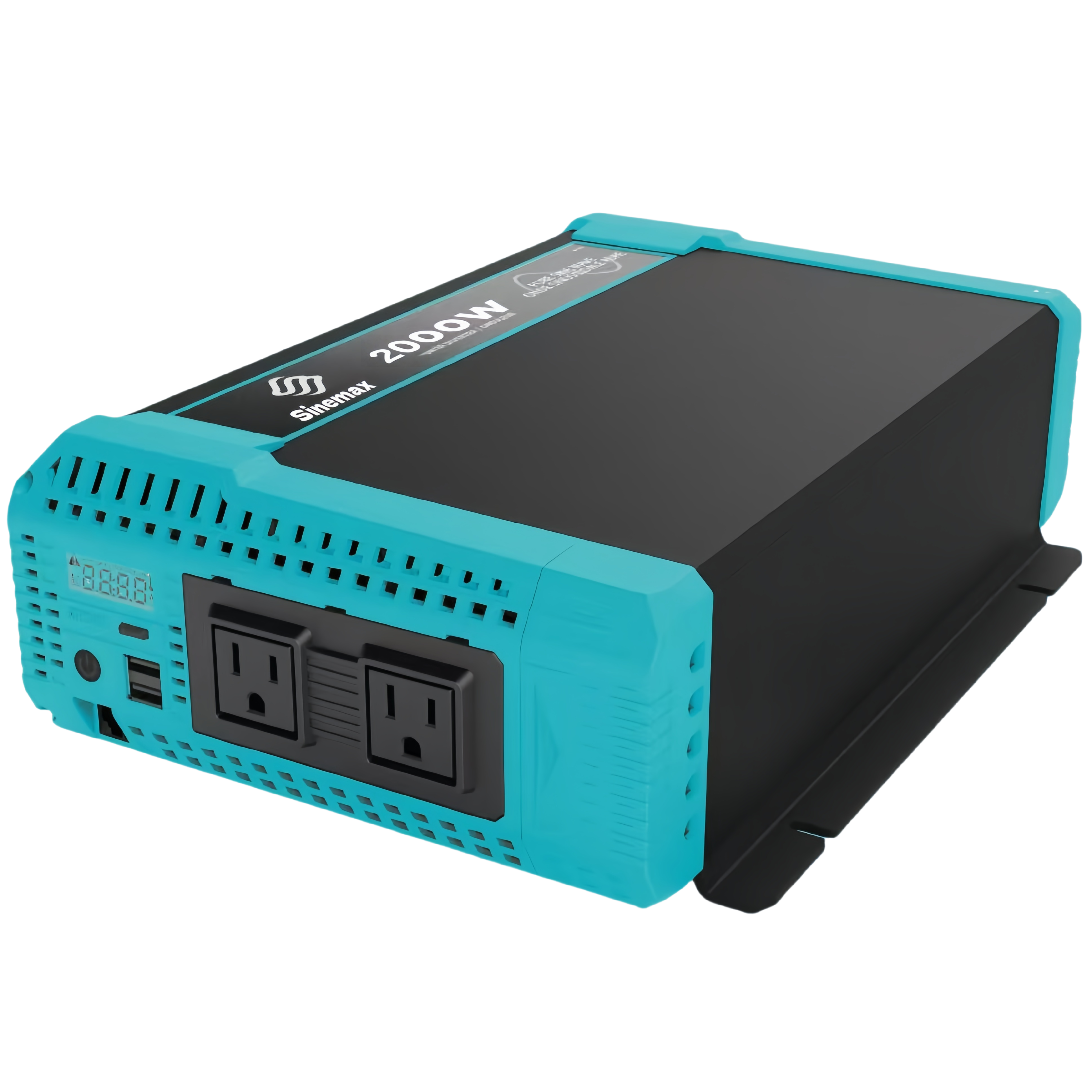
Practical application scenarios further highlight this difference. For example, if you’re boondocking in a remote campsite for a weekend, a pure sine wave inverter will let you safely charge your laptop for work, run a mini-fridge to keep food fresh, and power a CPAP machine overnight—all without relying on shore power or a generator. During cross-country RV trips, it ensures your microwave heats up meals evenly and your television runs without flicker, enhancing the comfort of your journey.
Beyond waveform type, brand reliability and safety certifications are non-negotiable. Opt for inverters from reputable manufacturers with a proven track record in RV or solar power systems, as they offer durable build quality and responsive customer support—crucial when you’re stranded off-grid with a power issue. Additionally, ensure the inverter holds key safety certifications like CSA (Canadian Standards Association) and UL (Underwriters Laboratories), which guarantee compliance with strict electrical safety standards, preventing risks such as short circuits, overloading, or overheating in your RV’s confined space.
Advanced inverters (often called “inverter chargers”) offer added versatility to suit diverse travel scenarios. When plugged into shore power at a campground, they can simultaneously power your RV’s appliances and recharge your batteries—eliminating the need for a separate battery charger. Many also feature AC pass-through functionality: when connected to shore power or a generator, they bypass the inversion process and deliver AC power directly to your appliances, saving battery life and reducing energy waste. For off-grid adventurers, some models even allow blending shore power and battery power, ensuring a steady supply for high-demand appliances like air conditioners during peak usage.


 KP1100
  KP1500
  KP2000
  KP3000
  EPE1100
  EPE2000
  EPU1100
  EPU2000
  110V 600W
 KR400
KR400  KR600
KR600  KR1500
  KR2000
  KR3000
  KR4000
  KRA1100
  KRE1100
  KRE1500
  KRE2000
  KRU1100
  KRU1500
  KRU2000
  MF2000


